


Driving Gigabit Speeds from Lab to Consumer
Cable broadband service is fast, reliable, and widely available. We’re driving performance to new heights.
Availability
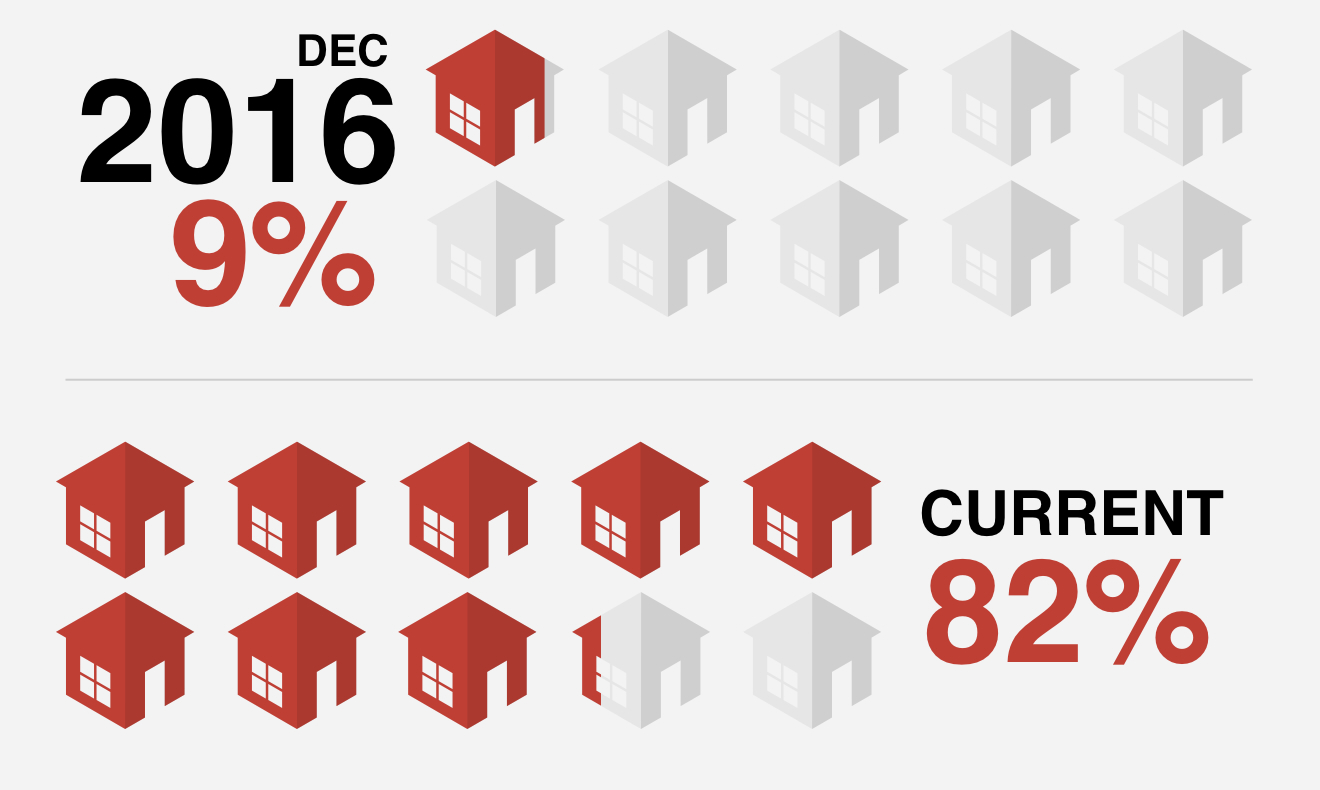
Cable Gigabit Service Available to 82% of US Homes
Cable now makes gigabit service (download speeds of 940 Mbps or better) available to 82% of all US housing units, with further expansion anticipated in the near future. Gigabit broadband at this scale was nearly unthinkable just a couple of years ago. Through CableLabs’ innovations, cable operators are making next-generation broadband available today.
Source: FCC Form 477 Data; CableLabs’ Analysis (June 2020)
Innovation
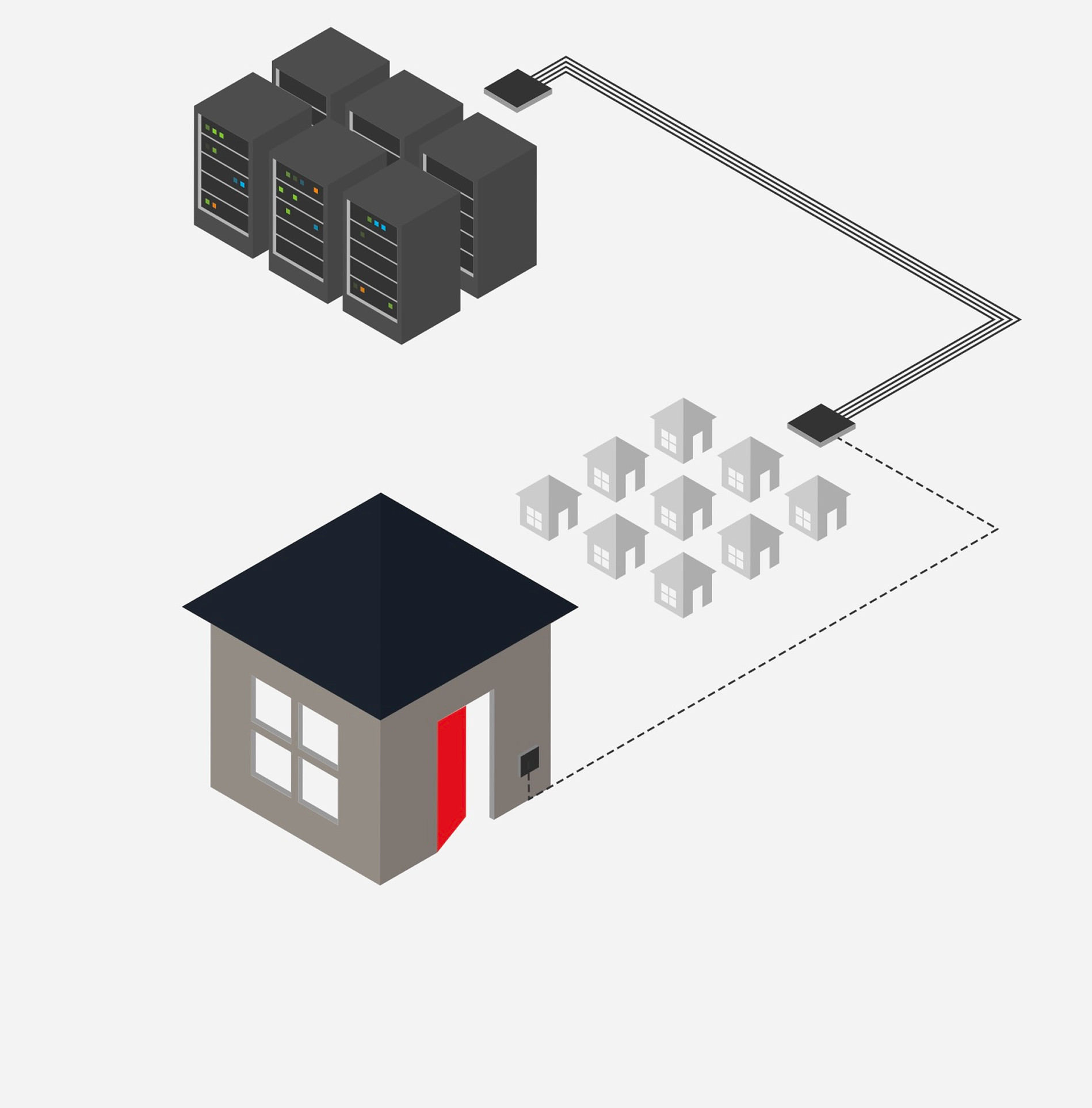
Driving increased capacity and lower costs in each segment of the cable broadband network
CableLabs is focused on the complete end-to-end path of the cable broadband network to ensure sufficient capacity in each segment to support increased broadband speeds to the consumer, while at the same time lowering both operational and capital costs in providing cable broadband service.
Innovation
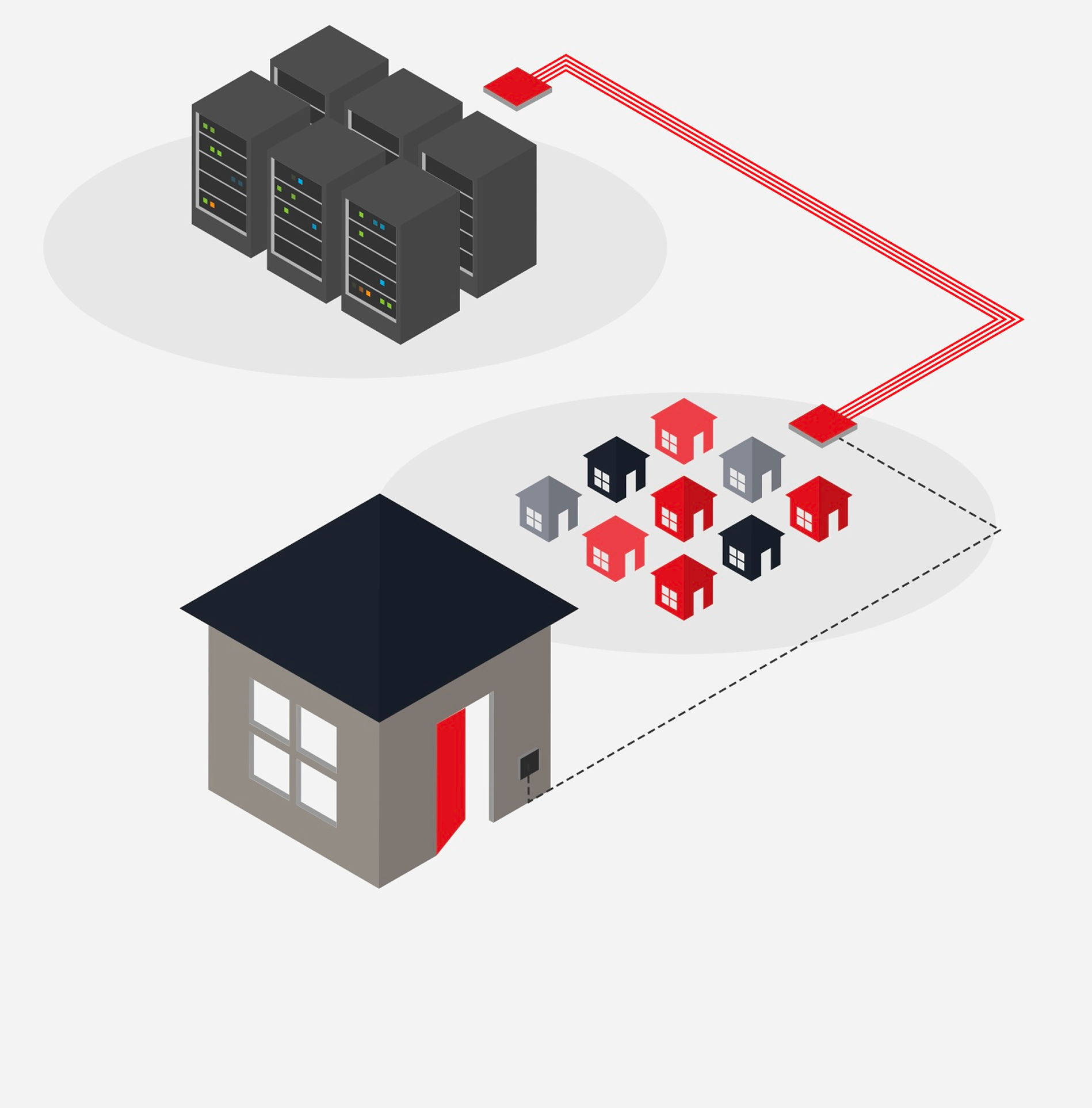
Regional Hub to Neighborhood Node
CableLabs is bringing coherent optics from long-haul to the access network. With coherent optics, cable operators are able to use existing fiber assets while delivering potentially 1,000 times more capacity. We have already demonstrated 50 times more capacity than today’s analog optics can achieve, and this is just the beginning.
Innovation
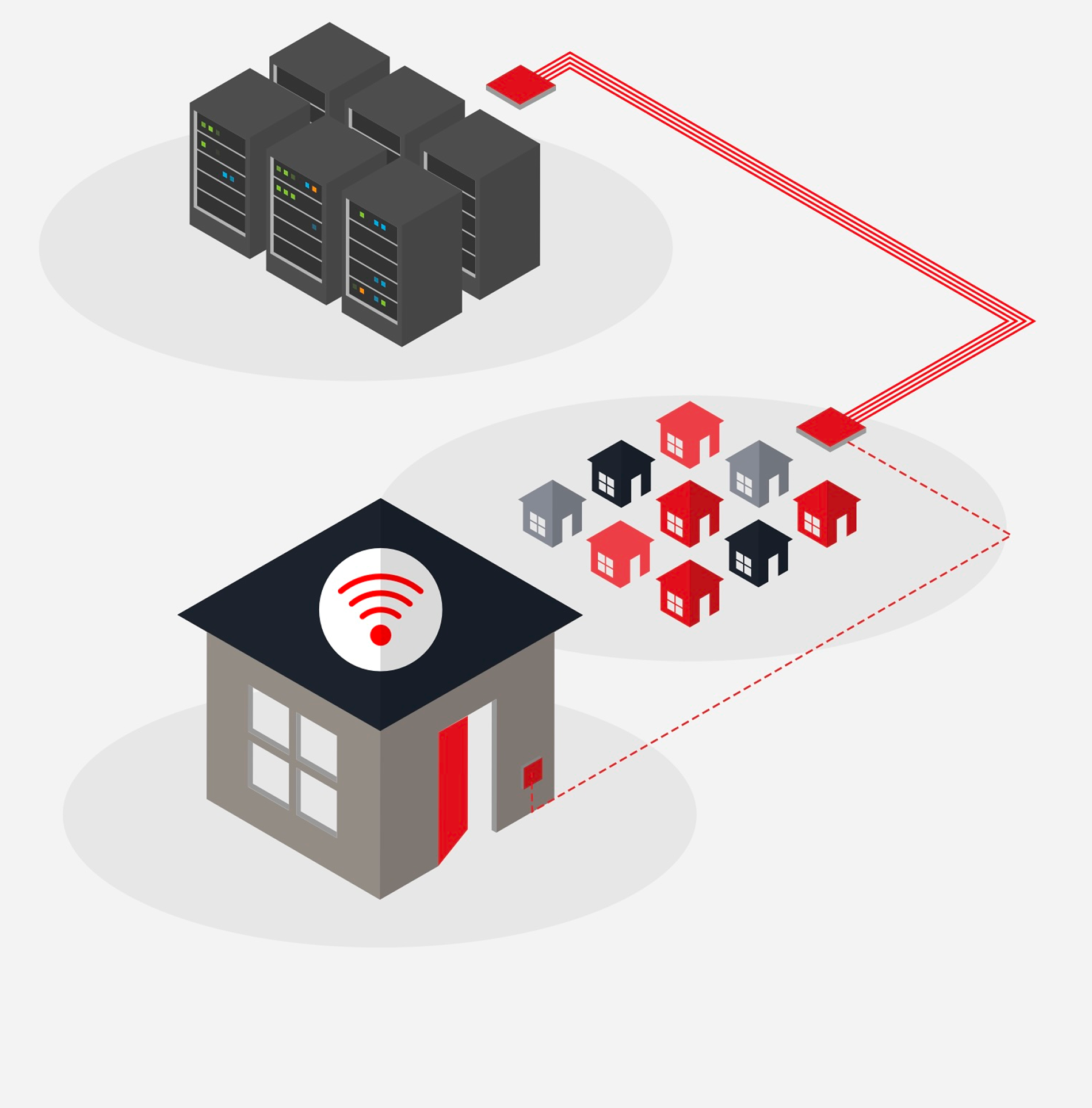
Neighborhood Node to the Subscriber's Home
CableLabs is continuing to drive increased capacity over the coax portion of the network through enhancements and revises the DOCSIS® specification. DOCSIS technology has the potential to deliver 10 gigabits per second of symmetric broadband service over the coax portion of the network.
Innovation
Innovation in Wireless
In recent years, CableLabs has focused substantial resources on developing and enhancing wireless technologies, most notably to increase Wi-Fi speed and reliability, enabling consumer devices to more fully use the increased speeds available through the advances in the coax and fiber portions of the network.
Reach
Cable Broadband is Available to the Vast Majority of all US Housing Units
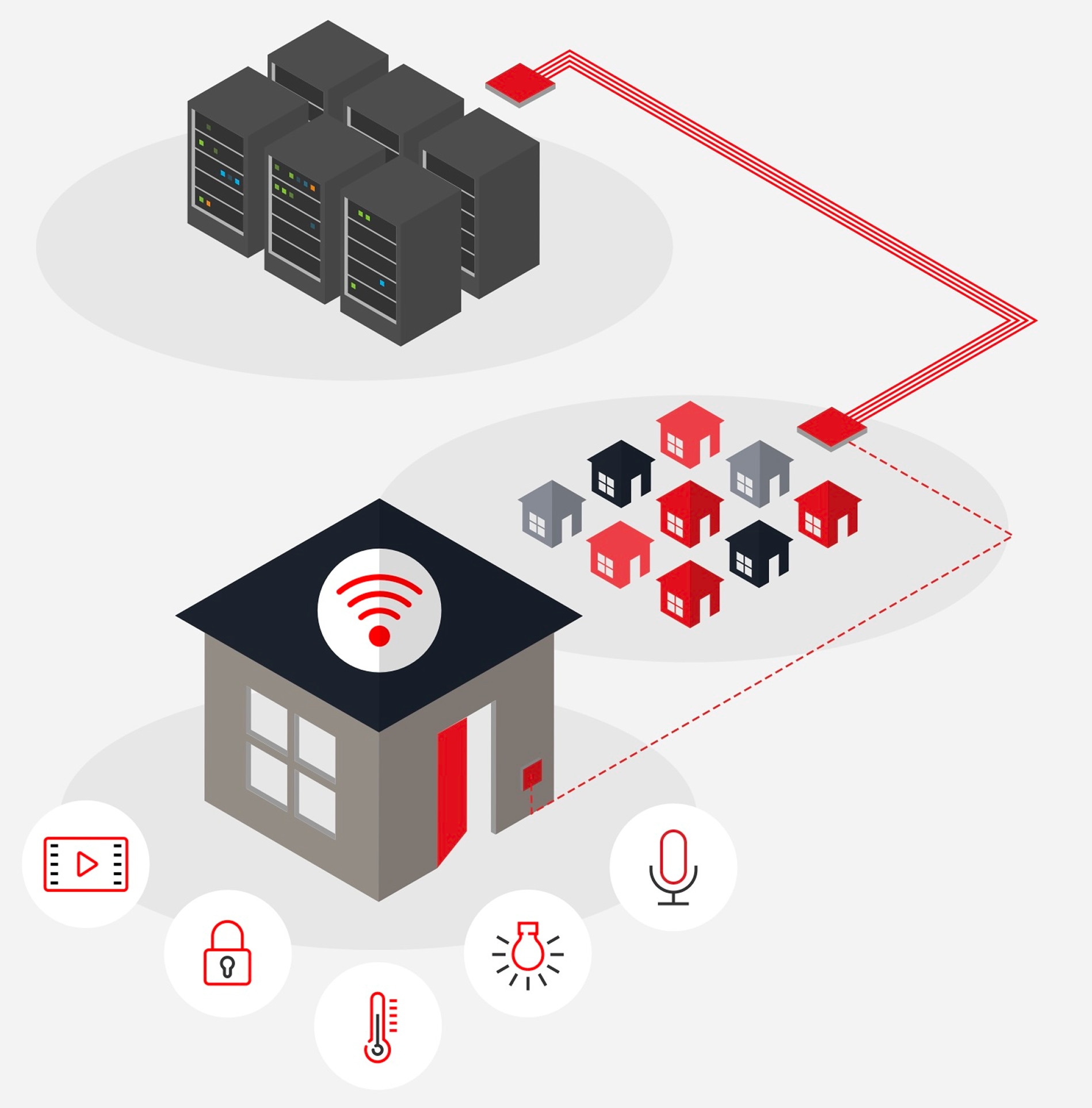
Fixed Terrestrial Broadband Service (25Mbps/3Mbps) is available to 128 million US Housing Units. Of this, cable broadband service is available to 91%. Cable broadband is provided through the hybrid fiber-coax network that was first built to deliver television programming. The near ubiquity of these networks, in terms of residential availability, has enabled the provision of broadband service to the vast majority of US households. The cable industry continuously evaluates how to further increase the availability of its broadband service.
Source: FCC 477 Data (June 2018); FCC Census Block Estimates
Innovation
Driving increased capacity and lower costs in each segment of the cable broadband network
CableLabs is focused on the complete end-to-end path of the cable broadband network to ensure sufficient capacity in each segment to support increased broadband speeds to the consumer, while at the same time lowering both operational and capital costs in providing cable broadband service.
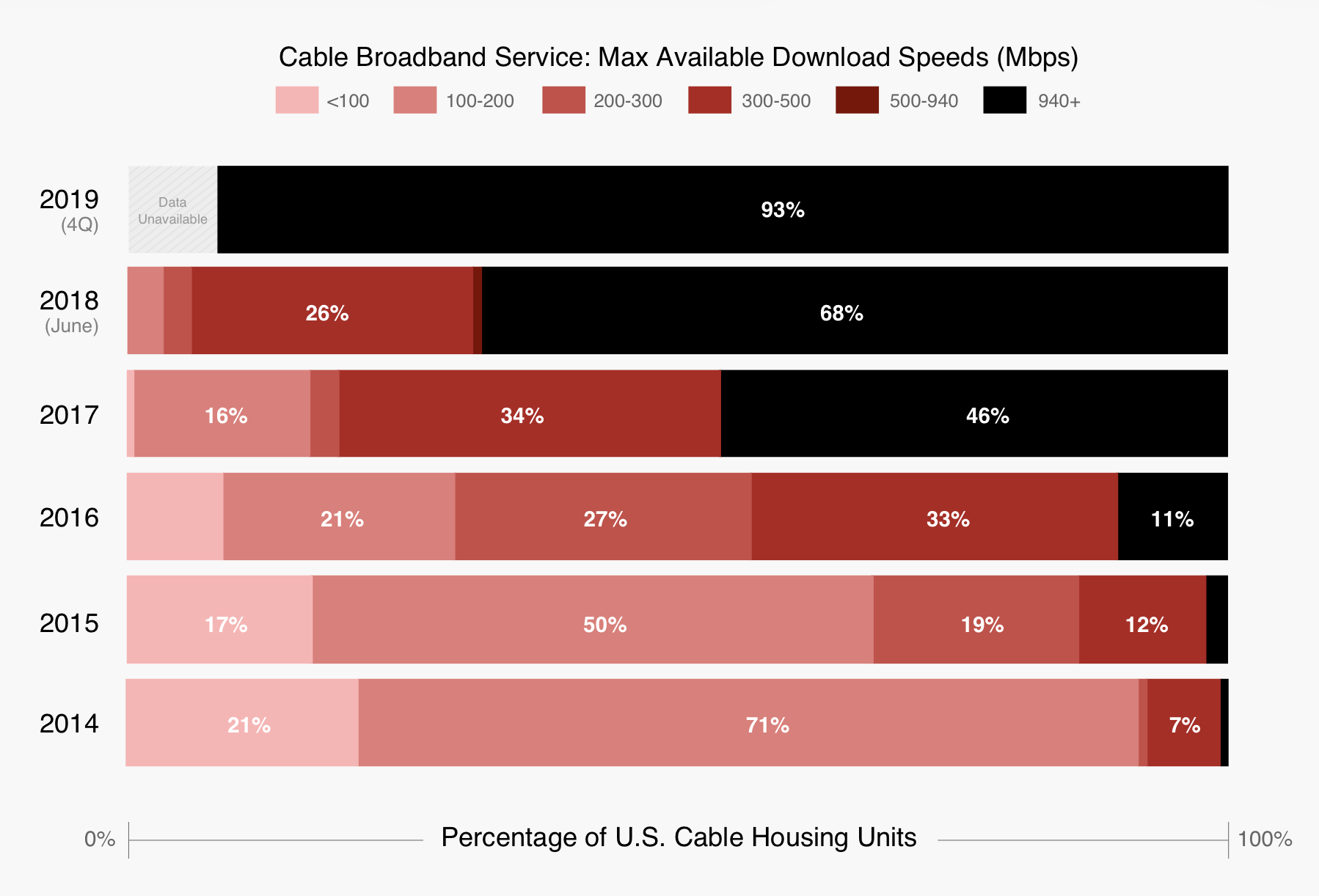
12X Increase in Cable Housing Units with 300 Mbps or Better Service Available
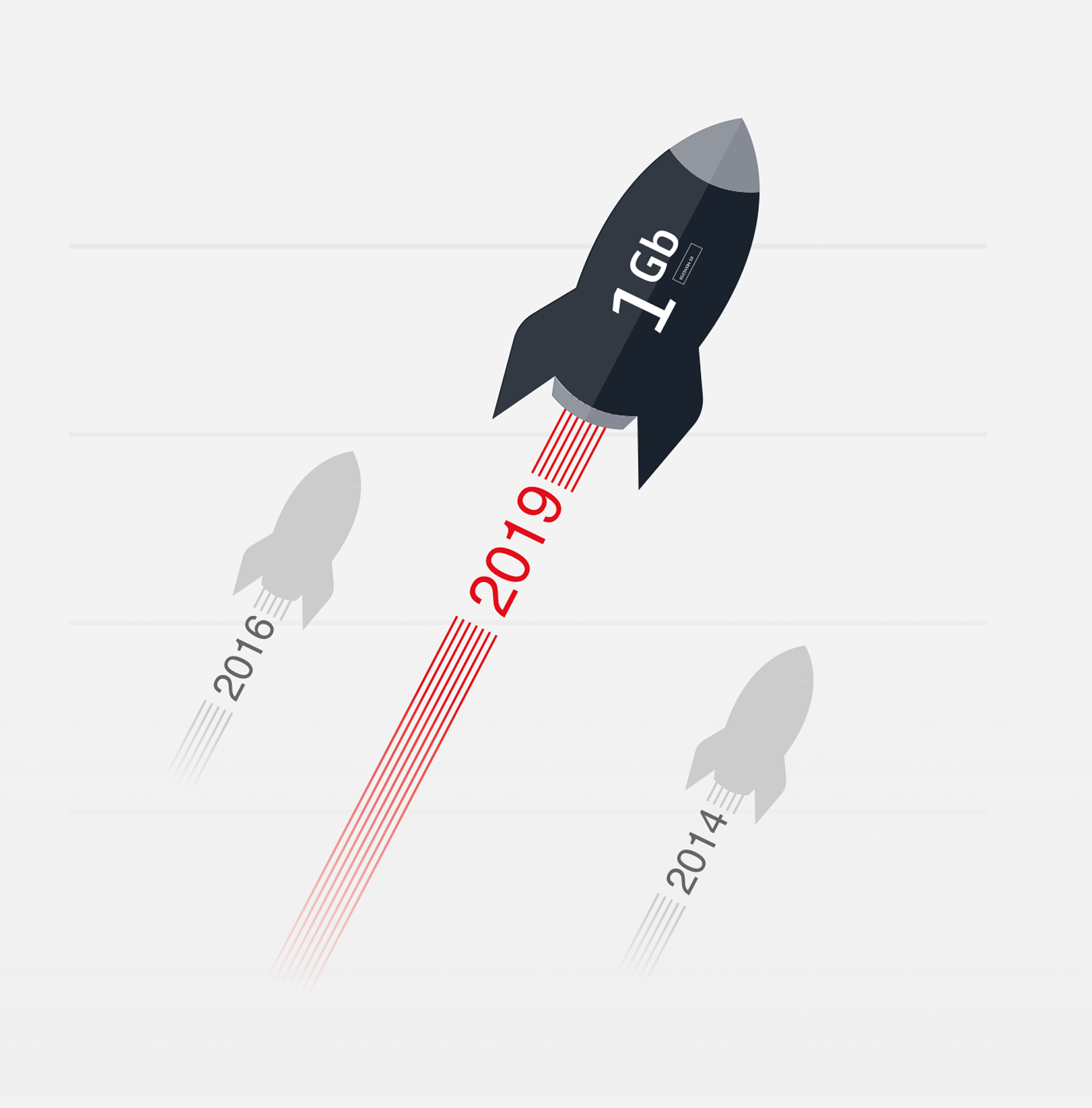
From December 2014 to June 2018, cable broadband providers increased the number of housing units that had available 300 Mbps or better broadband service by over 12,000%. By December 2019, cable gigabit was available to 93% all US housing units passed by cable broadband providers.
Source: FCC Form 477 Data (Dec. 2014, Dec. 2015, Dec. 2016, Dec. 2017, June 2018); CableLabs’ Analysis (end of year 2019)

10 Gbps
10 Gbps downstream is now the potential top-line capacity available over cable broadband networks.

26 Devices
There will be 26 connected devices for every person on Earth by 2020. (Intel)

50% CAGR
Available downstream speeds grow by roughly 50% per year. (Nielsen’s Law of Internet Bandwidth)
Frequently Asked Questions
Related Resources

Document
10G: The Next Great Leap in Broadband (PDF)